
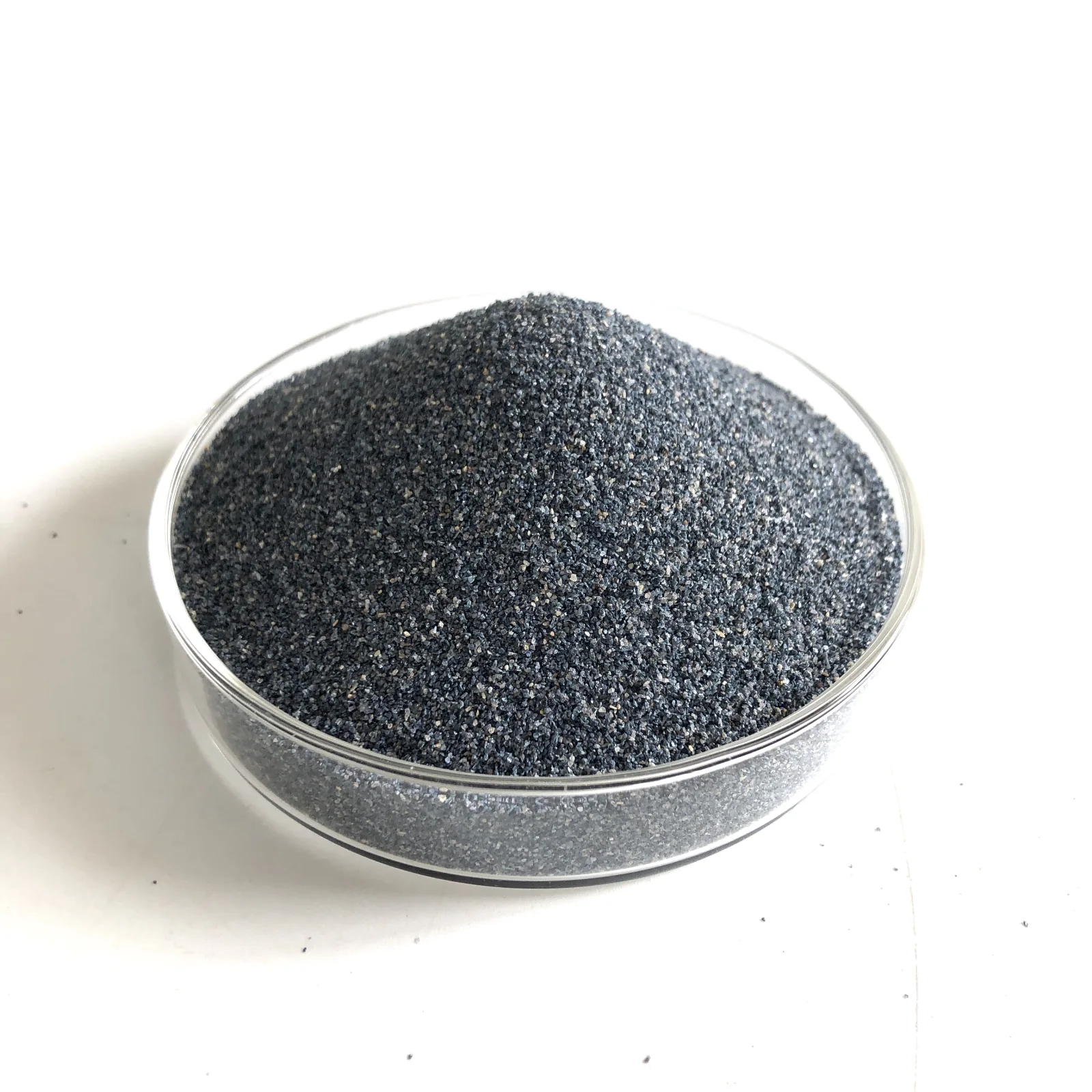
Calcined Brown Fused Alumina
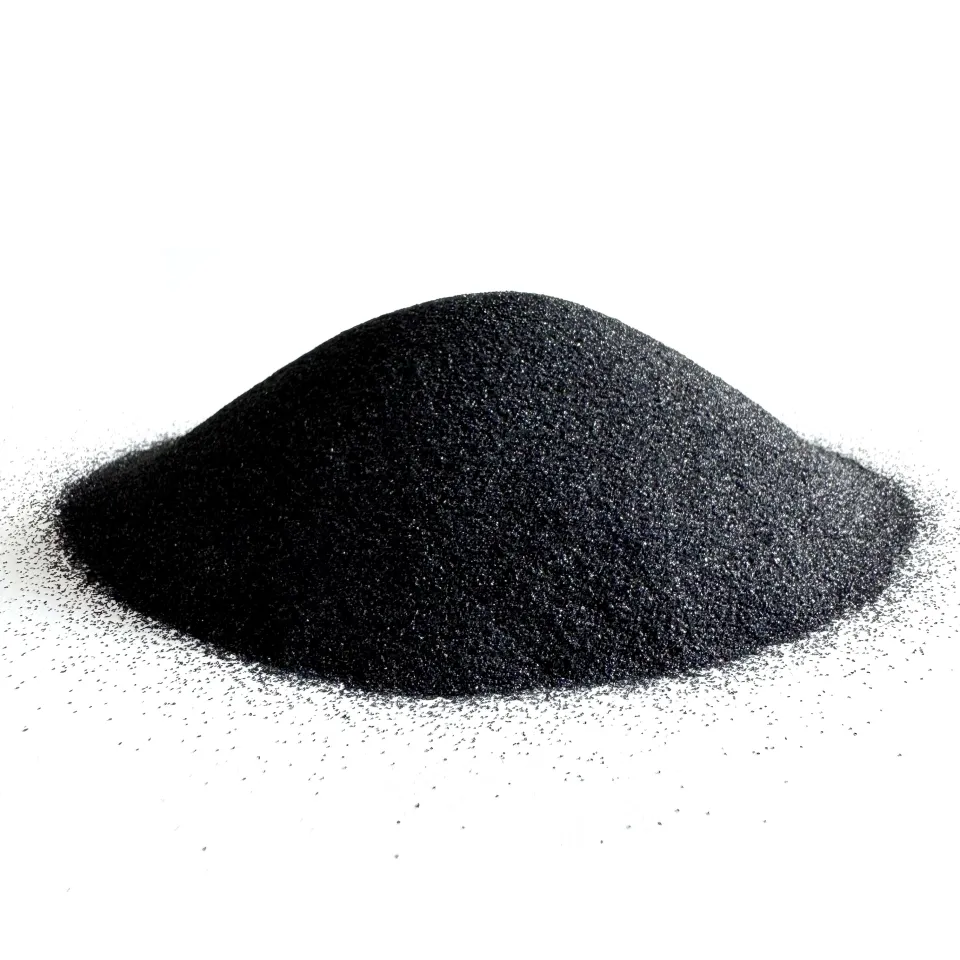
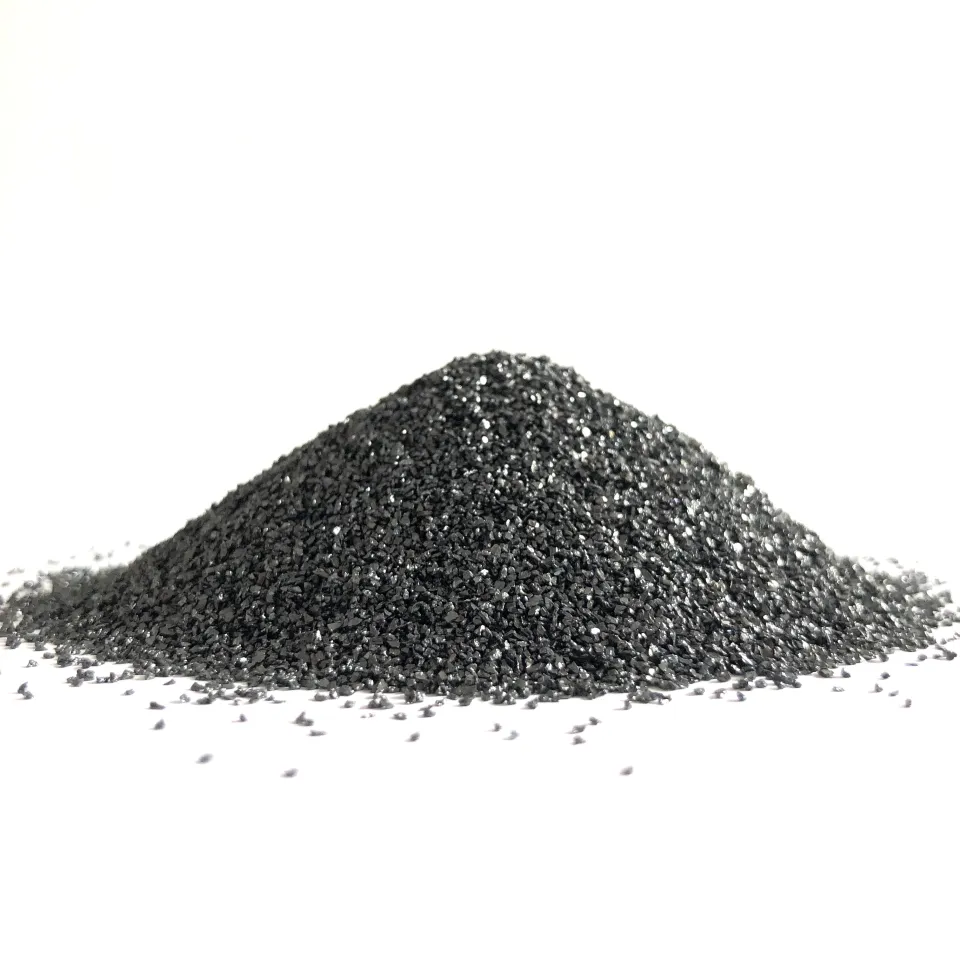
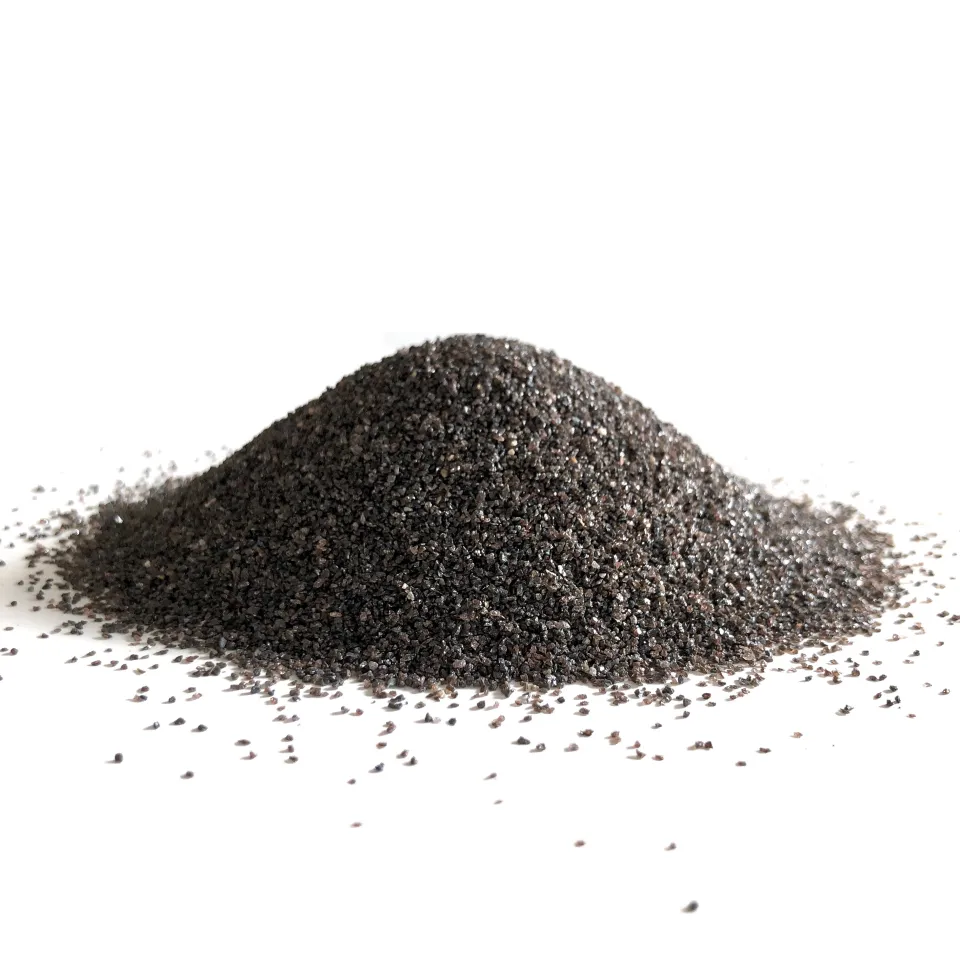
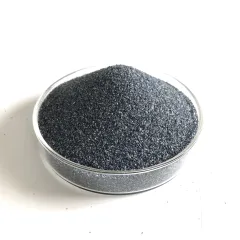
Calcined at 1350℃, deep-blue brown fused alumina offers higher purity, toughness and wettability for premium bonded abrasives, cut-off wheels and coated abrasives.
Read the full description- Color
- Deep blue
- Grit size
- 46#
- True density
- ≥ 3.9 g/cm³
- Melting point
- Approximately 2250℃
Bodan supplies this item to specification. Share the material, machine and required finish and we will confirm the grade, dimensions and packing for your order.
Advantages
Key features
Four changes that secondary calcining makes
-
Higher purity and toughness
Calcining at 1350℃ removes low-valence titanium oxides and carbides and relieves internal microcracks, raising durability by 40% or more over conventional brown fused alumina.
-
Better wetting and stronger bonds
Rougher grains and stronger capillary action improve wettability 2-3 times, cutting bond consumption in bonded wheels and extending coated abrasive life by 30-50%.
-
Cool, self-sharpening cutting
Pronounced edges and a uniform grain shape keep the grain self-sharpening with low grinding heat, especially on heat-sensitive stainless and special steels.
-
Clean, consistent finish
Magnetic contaminants are removed from the deep-blue grain, avoiding rust spotting and improving both appearance and internal quality.
Technical data
Specifications
- Color
- Deep blue
- Grit size
- 46#
- True density
- ≥ 3.9 g/cm³
- Melting point
- Approximately 2250℃
- Mohs hardness
- ≥ 9.0
- Crystal structure
- Trigonal crystal system
- Max service temperature
- Approximately 1900℃
Search terms
Also known as
Other names buyers use for this product. Select one to search the catalogue.
Product details
About this product
Product Overview
High-temperature calcined brown fused alumina is a premium abrasive made by secondary calcining of conventional brown fused alumina at 1350℃ followed by controlled heat treatment. The process oxidizes and volatilizes lower-valence titanium compounds, carbides and other impurities, improving purity. The color changes from brown to deep blue, and performance exceeds conventional and medium-temperature calcined grades. Rougher surfaces improve wettability, while subsequent heat treatment reduces internal microcracks and stresses to improve toughness and compressive strength. It is widely used in premium bonded abrasives and heavy-duty cut-off wheels.
Technical Specifications
Parameter | Property |
|---|---|
Color | Deep blue |
Crystal structure | Trigonal crystal system |
Mohs hardness | ≥ 9.0 |
Melting point | Approximately 2250℃ |
Maximum service temperature | Approximately 1900℃ |
True density | ≥ 3.9 g/cm³ |
Key Features
Secondary calcining changes the grain in four ways. Each point below links the change in the material to the benefit it delivers in bonded and coated abrasives.
1. Purity and toughness
Calcining at 1350℃ followed by controlled heat treatment oxidizes and volatilizes low-valence titanium oxides and titanium carbide, and relieves internal microcracks and stresses. Grains gain compressive strength and toughness, with durability approximately 40% or more above conventional brown fused alumina.
2. Wettability and bond efficiency
Rougher grain surfaces and stronger capillary action improve wettability by 2-3 times. Bonded abrasives need less bond and gain wheel strength; coated abrasives see durability improve by 30%-50%, reducing reject rates.
3. Self-sharpening, cool cutting
Pronounced edges and a uniform grain shape sustain continuous self-sharpening and low grinding heat, which matters most on heat-sensitive stainless and special steels.
4. Clean appearance and low contamination
The deep-blue grain has magnetic contaminants effectively removed, avoiding rust spotting on the workpiece and improving both appearance and internal quality.
In summary
High-temperature calcining turns brown fused alumina into a deep-blue, tougher and cleaner grain that holds its cutting edges longer, bonds more efficiently and runs cooler. That is why it is specified for premium bonded abrasives, heavy-duty cut-off wheels and high-speed coated abrasives.
Process Overview
Type | Calcining temperature | Color |
|---|---|---|
Medium-temperature calcining | 1050℃ | Brown |
High-temperature calcining | 1300-1350℃ | Deep blue |
Typical Process Flow
Bauxite + coke + iron filings → electric arc fusion (2250℃) → cooling and crystallization → crushing → magnetic impurity removal → high-temperature calcining (1300-1350℃) → controlled heat treatment → finished product
Typical Applications
Premium bonded abrasives: large cut-off wheels, giant grinding wheels and heavy-duty grinding wheels
Coated abrasives: high-speed heavy-duty belts, abrasive cloth and sandpaper
Special steel processing: efficient grinding of mild steel, alloy steel and stainless steel
Refractories: premium aggregates and fillers for blast-furnace linings and refractory bricks
Precision processing: high-accuracy polishing in semiconductor and aerospace applications
Contact us for more information or samples.
Resources
Documents
Data sheets, test reports and packing details for this product are issued on request. Send an inquiry and our technical team will return the documents that match your application.
Request documentsInquiry
Request a quote.
For Calcined Brown Fused Alumina
Tell us the specification, quantity and destination. We reply with pricing, lead time and packing options for wholesale and OEM orders.
Calcined Brown Fused Alumina Pricing, lead time and packing for wholesale and OEM orders.