Coated White Fused Alumina for Resin-Bonded Cutting Wheels: Customer Test Data
Customer field test on 50 mm alloy steel: STRWA/A resin-bonded cutting wheels recorded 89-103 cuts versus 55 cuts with a brown fused alumina formulation. Conditions, limitations and trial guidance included.
For resin-bonded cutting wheels, customers care about more than abrasive cost. What matters is how many cuts a wheel can make in actual operation, how often it needs replacing, and whether total processing cost can be reduced.
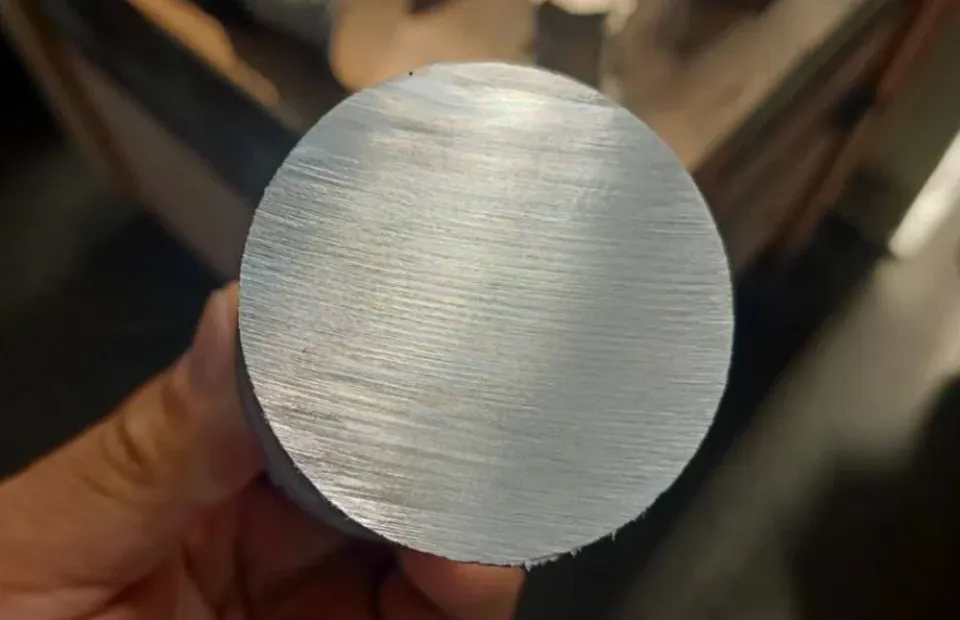
We recently received on-site test feedback from a customer’s factory. The tests used 400 × 3.2 × 32 mm resin-bonded cutting wheels to cut 50 mm alloy steel bars on a stationary rotary cutting machine with a 20 kW motor. The customer compared a conventional brown fused alumina A formulation with a STRWA/A formulation containing coated white fused alumina.
The conventional brown fused alumina wheel completed 55 cuts. The STRWA/A wheel completed 89-103 cuts.
Customer On-Site Test Data
Item | Conventional Brown Fused Alumina | STRWA/A Formulation |
|---|---|---|
Wheel specification | 400 × 3.2 × 32 mm | 400 × 3.2 × 32 mm |
Actual wheel thickness | 3.3-3.4 mm | 3.2 mm |
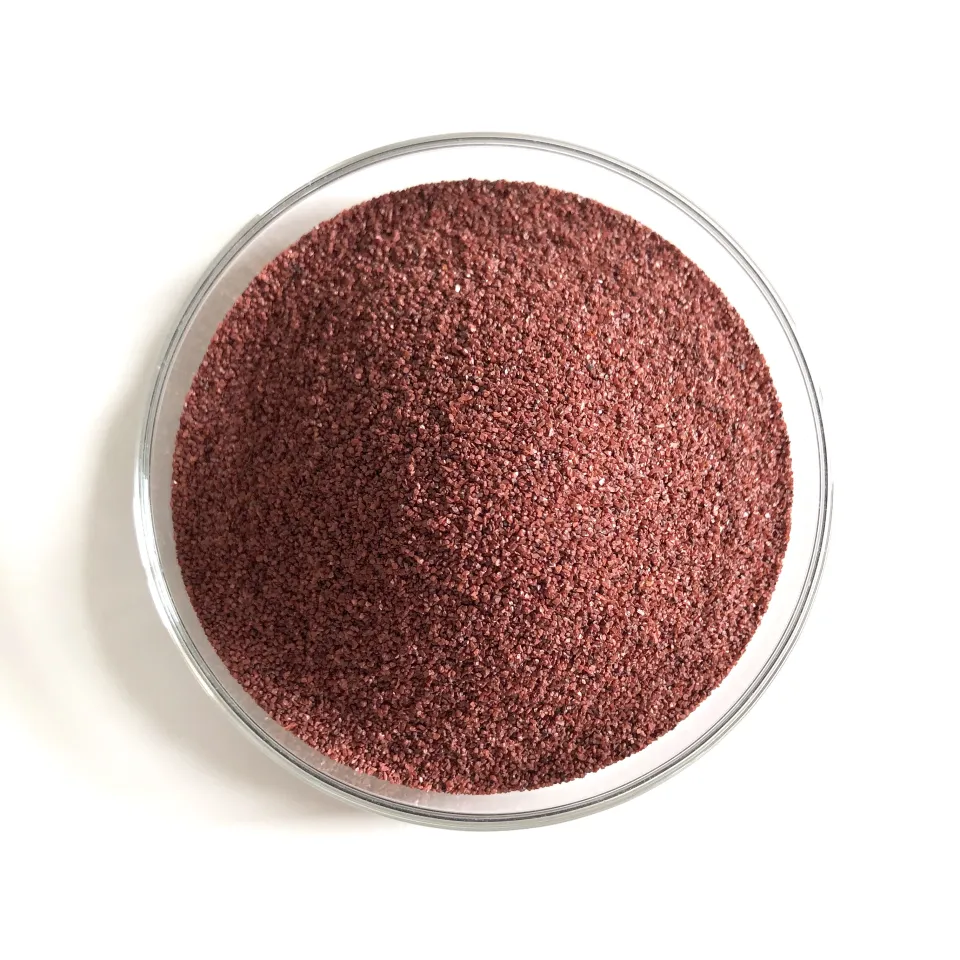
Abrasive formulation | Brown fused alumina A | Coated white fused alumina STRWA / brown fused alumina A |
Test date | September 8, 2026 | October 21, 2026 |
Workpiece | 50 mm alloy steel bar | 50 mm alloy steel bar |
Test location | Customer’s cutting workshop | Customer’s cutting workshop |
Cutting conditions | Stationary rotary cutting, 20 kW | Stationary rotary cutting, 20 kW |
Recorded cutting cycles | 55 cuts | 89-103 cuts |
Note: STRWA refers to coated white fused alumina; A refers to brown fused alumina.
What Does the Increase from 55 to 89-103 Cuts Mean?
Based on the customer’s records, the STRWA/A formulation completed 34-48 more cuts than the conventional brown fused alumina formulation. This represents an increase of approximately 62%-87%.
In other words, in this on-site application, the STRWA/A formulation achieved approximately 1.62-1.87 times the number of cuts recorded for the conventional formulation.
For cutting-wheel manufacturers and end users, this is more than a laboratory number. A higher number of effective cuts can reduce wheel-change frequency, lower downtime, and support a better evaluation of total cost per acceptable cut.
Higher Cutting Counts with a Thinner Wheel
One detail in the customer data is especially noteworthy. The STRWA/A wheel had an actual thickness of 3.2 mm, while the conventional wheel measured 3.3-3.4 mm.
A thinner cutting wheel generally contains less consumable material and places higher demands on the abrasive system, resin bond, and overall formulation. Despite this thinner actual wheel thickness, the STRWA/A formulation recorded 89-103 cuts, making it a worthwhile candidate for further formulation validation in high-performance resin-bonded cutting wheels.
Why Do Cutting-Wheel Manufacturers Evaluate Coated White Fused Alumina?
Coated white fused alumina is not simply a direct replacement for conventional abrasive grains. It is an option for manufacturers seeking to optimize the abrasive system in resin-bonded cutting wheels.
In a cutting-wheel formulation, abrasive grain size, blending ratio, surface treatment, resin system, fillers, fiberglass reinforcement, pressing density, and curing process all affect final performance. The value of coated white fused alumina should therefore be evaluated within the complete wheel formulation.
This customer feedback shows that a STRWA/A abrasive formulation achieved higher recorded cutting counts in an actual alloy-steel cutting application. It offers a practical reference for manufacturers developing upgraded or higher-performance resin-bonded cutting wheels.
Look Beyond Abrasive Price: Evaluate Cost per Acceptable Cut
A lower abrasive purchase price does not always result in a lower operating cost.
If a cutting wheel can complete more stable, acceptable cuts, customers should evaluate:
Actual effective cutting cycles per wheel
Wheel-change frequency
Downtime and labor required for wheel replacement
Process stability during cutting
Total cost per acceptable cut
For this reason, coated white fused alumina STRWA should be evaluated based on application value, not only raw-material price.
How to Evaluate STRWA in Your Own Formulation
Each manufacturer uses different resin systems, abrasive sizes, workpieces, equipment, and operating practices. Actual performance may therefore vary.
For meaningful trials, keep the wheel specification, actual thickness, resin system, reinforcement materials, equipment settings, and workpiece conditions consistent. Change only the abrasive formulation.
In addition to cutting cycles, record:
Cutting time per cut
Wheel-diameter loss
Workpiece burn and burr formation
Wheel breakage rate
Operator feedback
Cost per acceptable cut
These data points provide a more complete basis for evaluating whether coated white fused alumina is suitable for your target product line.
Conclusion
This customer test feedback is not a guaranteed result for every formulation or operating condition. However, it provides a clear practical reference: when cutting 50 mm alloy steel bars on a 20 kW stationary rotary cutting machine, the STRWA/A resin-bonded cutting wheel recorded 89-103 cuts, compared with 55 cuts for the conventional brown fused alumina formulation.
If you are developing alloy-steel cutting wheels, metal cutting wheels, or higher-performance resin-bonded cutting wheels, please contact us for coated white fused alumina STRWA technical information, samples, and formulation support.