Selection Guide for Blasting Abrasives: Performance Comparison of Brown Fused Alumina, White Fused Alumina, and Black Fused Alumina
In industrial surface treatment, choosing the right blasting abrasive affects efficiency, quality, and cost. Brown Fused Alumina, White Fused Alumina, and Black Fused Alumina differ in purity, physical properties, and applications. This article reviews their selection logic based on technical indicators.
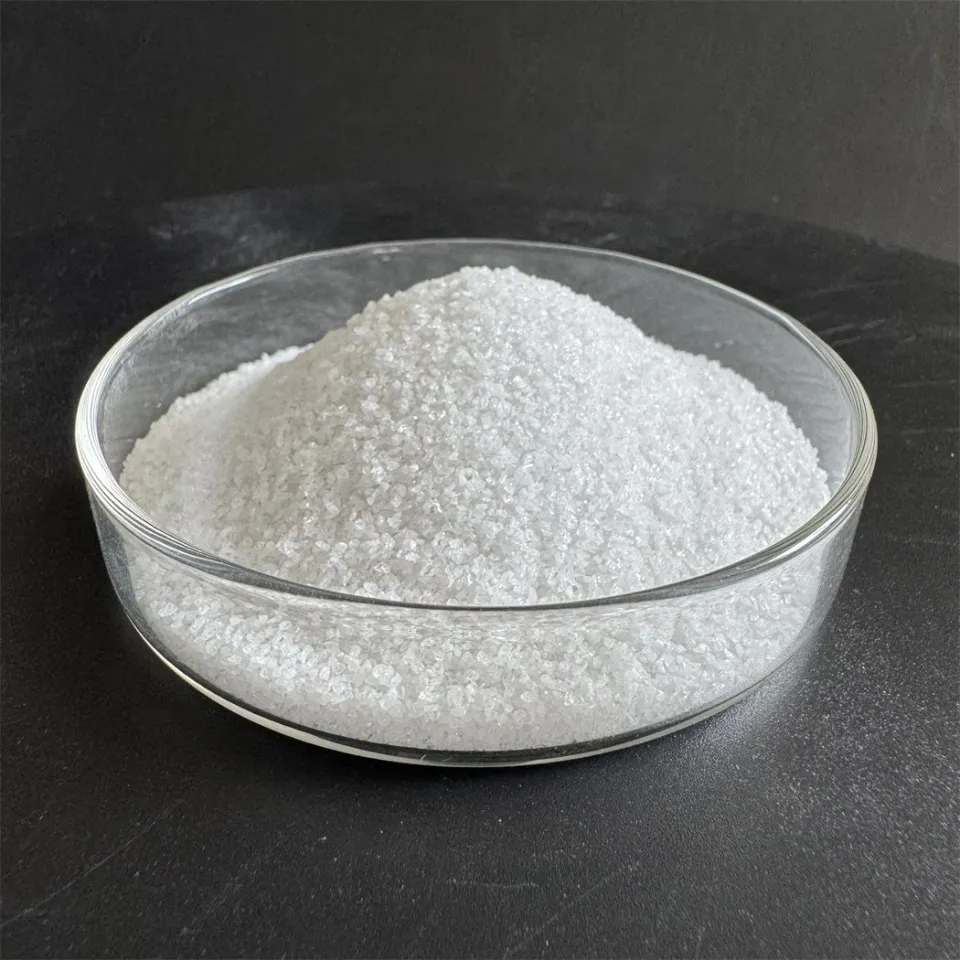
I. Brown Fused Alumina: The Cost-Effective Choice for General-Purpose Abrasives
Brown Fused Alumina is produced by high-temperature smelting in an electric arc furnace using bauxite, anthracite, and iron filings as main raw materials. It appears brown in color.
Chemical Indicators: Al₂O₃ content 94%–95%, TiO₂ content 1.5%–3.8%, SiO₂ ≤1.5%, Fe₂O₃ ≤0.5%.
Physical Indicators: Mohs hardness ≥9.0, microhardness 1800–2200 kg/mm², melting point 2250°C, true density ≥3.90 g/cm³.
Core Advantages: High toughness and strong resistance to fracture. It can be recycled multiple times during blasting, resulting in the lowest overall cost among the three.
Limitations: Limited Al₂O₃ purity may introduce trace iron residue after blasting, making it unsuitable for workpieces sensitive to iron contamination.
Application Method: Suitable for pressure blasting machines, suction blasting machines, and manual blasting equipment. Recommended working pressure 0.5–0.8 MPa, nozzle distance 150–250 mm from workpiece, spray angle 60°–75°.
Application Results: Treated surface presents a uniform brown-gray color with moderate roughness. Rust removal grade can reach Sa2.5–Sa3.
Application Fields: Large-scale rust removal, oxide scale removal, and deburring of metal workpieces such as carbon steel, alloy steel, malleable cast iron, and hard bronze; surface cleaning and pretreatment of steel structures, forgings, and castings.
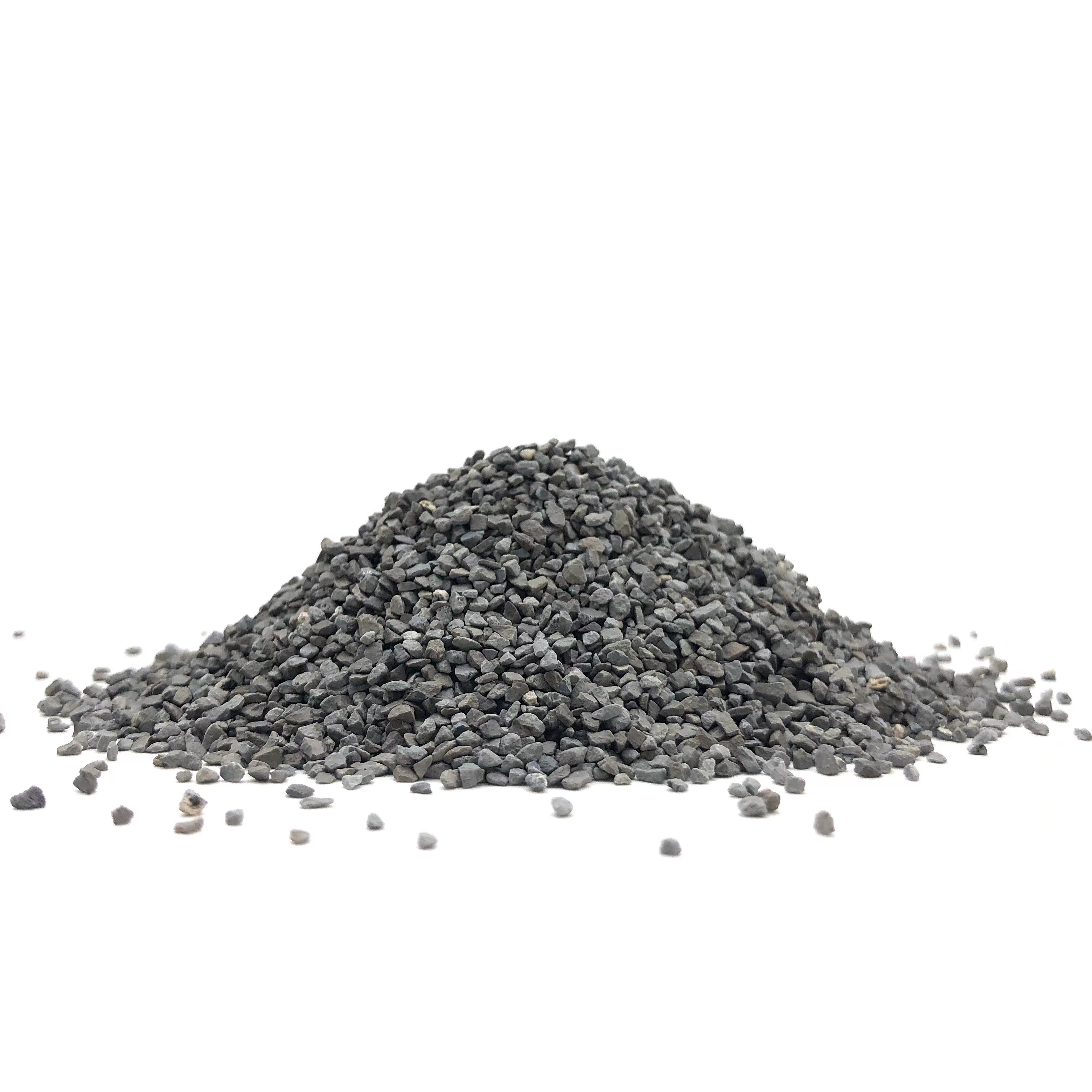
II. White Fused Alumina: The Preferred Choice for High-Purity Precision Processing
White Fused Alumina is produced from industrial alumina powder through high-temperature melting and recrystallization in an electric arc furnace. It is white in color.
Chemical Indicators: Al₂O₃ content ≥99.0% (abrasive grade typically ≥99.2%), Fe₂O₃ ≤0.04%, Na₂O ≤0.40%, SiO₂ approximately 0.03%.
Physical Indicators: Mohs hardness ≥9.0, microhardness 2200–2300 kg/mm², melting point 2250°C, true density ≥3.90 g/cm³.
Core Advantages: High chemical purity and extremely low Fe₂O₃ content. The workpiece surface remains white without iron contamination after blasting, and the color of the workpiece itself is not affected. Slightly higher hardness than brown fused alumina, good self-sharpening properties, and low heat generation during grinding.
Limitations: Lower toughness than brown fused alumina, more prone to fracture under force, relatively limited recycling times; higher unit price than brown fused alumina.
Application Method: Suitable for precision blasting equipment and wet blasting systems. Recommended working pressure 0.3–0.6 MPa, nozzle distance 100–200 mm from workpiece. Fine nozzles can be used for uniform surface finish.
Application Results: Treated surface is white and uniform with no impurity residue. Roughness is controllable, suitable for processes with stringent surface cleanliness requirements.
Application Fields: Surface treatment of metals sensitive to iron contamination such as stainless steel, superalloys, and titanium alloys; blasting and polishing in high-end fields such as precision casting, medical devices, aerospace components, and electronic components; surface treatment of non-metallic materials such as glass and ceramics.
.jpg)
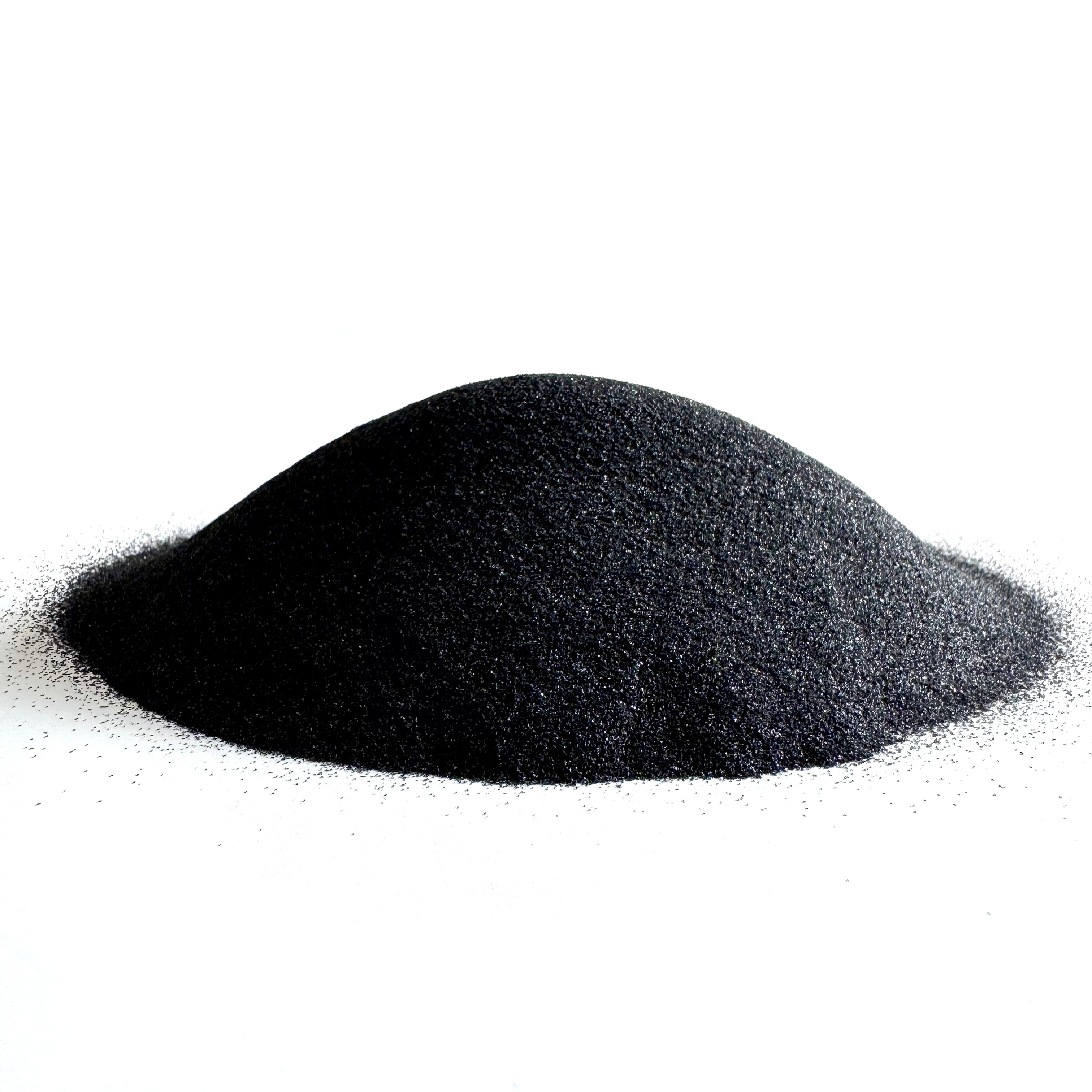
III. Black Fused Alumina: An Intermediate Choice Combining Toughness and Cost Advantages
Black Fused Alumina is produced from bauxite, with impurities not fully reduced during smelting in an electric arc furnace. It appears black or dark gray.
Chemical Indicators: Al₂O₃ content approximately 77%–85%, Fe₂O₃ content 5%–11%, SiO₂ 5%–11%, TiO₂ 1.5%–3.5%.
Physical Indicators: Mohs hardness ≥9.0, melting point 2050°C, true density ≥3.50 g/cm³.
Core Advantages: Good toughness, abrasive grains not easily broken; moderate cutting force; price usually lower than brown fused alumina, offering a certain degree of economy.
Limitations: High Fe₂O₃ content makes it unsuitable for workpieces sensitive to iron contamination; hardness slightly lower than brown and white fused alumina.
Application Method: Suitable for suction blasting machines and manual blasting equipment. Recommended working pressure 0.4–0.7 MPa, nozzle distance 150–250 mm from workpiece, suitable for medium-intensity surface treatment.
Application Results: Treated surface presents a uniform gray or dark gray color with moderate roughness, suitable for pretreatment before coating.
Application Fields: Rust removal and surface pretreatment of stainless steel, carbon steel, and non-ferrous metals; carving and edging of stone and glass; surface treatment in architectural decoration, bridge engineering, and shipbuilding; also used as wear-resistant floor aggregate and refractory material.
IV. Comparison of Core Indicators
Comparison Item | Brown Fused Alumina | White Fused Alumina | Black Fused Alumina |
|---|---|---|---|
Al₂O₃ Content | 94%–97% | ≥99.0% | 77%–85% |
Fe₂O₃ Content | ≤0.5% | ≤0.04% | 5%–11% |
Mohs Hardness | ≥9.0 | ≥9.0 | ≥9.0 |
Microhardness (kg/mm²) | 1800–2200 | 2200–2300 | Approx. 2000 |
Toughness | High | Relatively Low | Relatively High |
Color | Brown | White | Black/Dark Gray |
Recyclability | Good | Moderate | Good |
Iron Contamination Risk | Low | Extremely Low | Relatively High |
Price Level | Low | High | Medium-Low |
V. Selection Recommendations
Workpiece Material: For ordinary metals such as carbon steel and alloy steel, Brown Fused Alumina is preferred. For workpieces sensitive to iron contamination such as stainless steel, titanium alloys, and superalloys, White Fused Alumina must be used. For applications with no strict appearance color requirements and limited budget, Black Fused Alumina can be considered.
Surface Requirements: For precision processing requiring a clean white surface with no impurity residue, White Fused Alumina should be used. For general rust removal and oxide scale removal, Brown Fused Alumina is sufficient. For coating pretreatment requiring a uniform gray surface, Black Fused Alumina is more suitable.
Cost Control: For large-scale, continuous operations with low purity requirements, Brown Fused Alumina has the lowest overall cost. For precision processing and small-batch high-end applications, White Fused Alumina has a higher unit price but irreplaceable results.
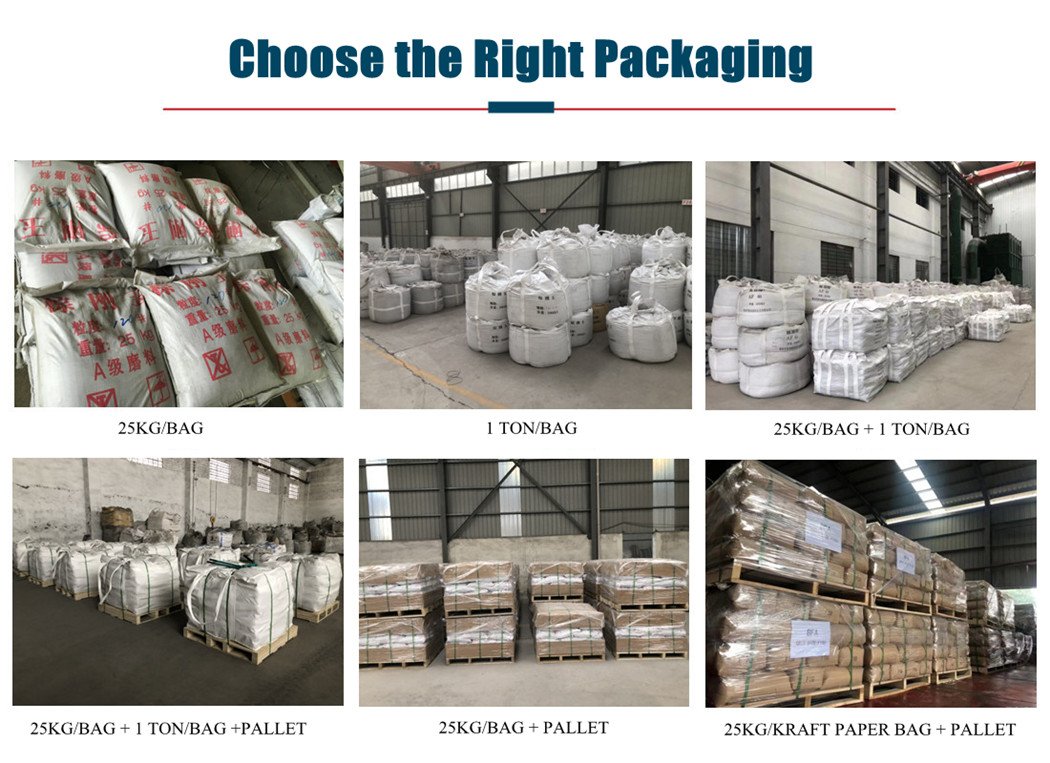
VI. Storage Methods
All three types of corundum abrasives should be stored in a dry, ventilated warehouse, kept off the ground and away from walls to avoid moisture and caking. Packaging typically uses woven bags or ton bags. During storage, they should be kept away from corrosive substances such as acids and alkalis, and should not be mixed with iron filings, oil stains, and other debris. White Fused Alumina, due to its high purity requirements, should be stored separately to prevent cross-contamination. Follow the first-in-first-out principle, regularly check packaging integrity, and replace damaged packaging promptly.